Can best glutathione pills for skin whitening cause effects?
Many people use glutathione supplements because they have heard that they can make the skin look brighter, more even, or lighter. But a common question is whether best glutathione pills for skin whitening can cause unwanted effects. The answer is yes, side effects are possible, although studies of oral glutathione have generally reported relatively mild or no serious adverse effects over short periods.
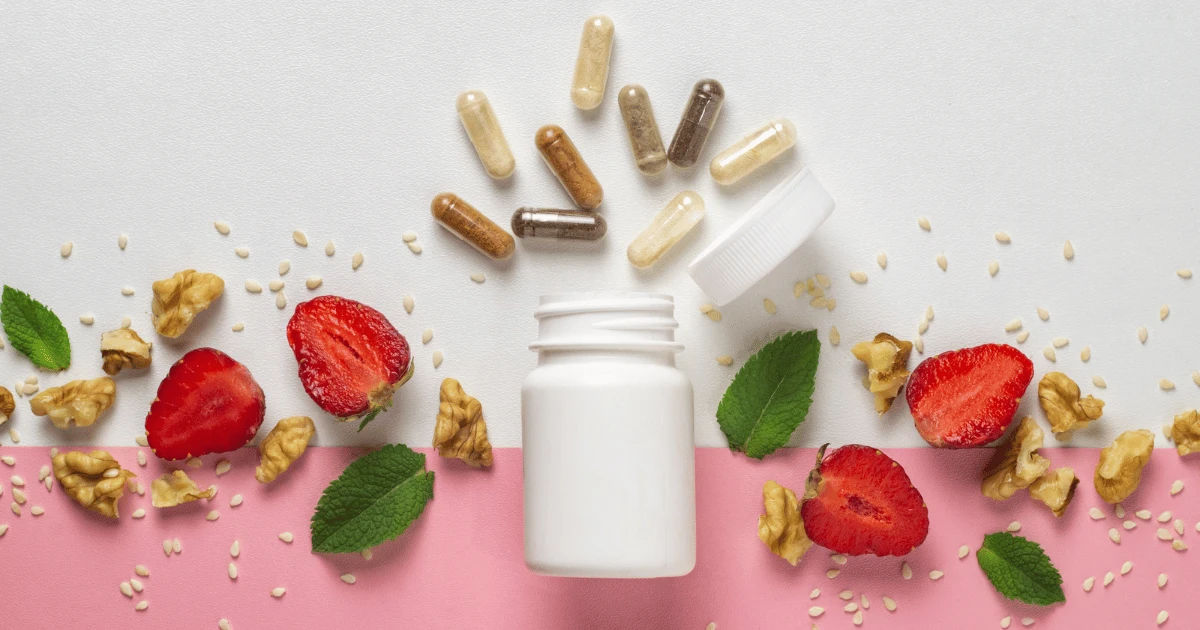
Glutathione is a naturally occurring antioxidant made by the body. It helps protect cells from oxidative stress and participates in several important biological processes. Because it can influence melanin production, glutathione has also become popular in the cosmetic industry for skin-brightening purposes. However, the evidence for noticeable skin-lightening benefits is still limited, and long-term safety has not been firmly established.
That makes it important to look beyond advertising claims. Choosing best glutathione pills for skin whitening should not simply mean choosing the product promising the fastest or most dramatic change. Ingredients, dosage, product quality, personal health conditions, possible interactions, and the length of use all deserve attention.
What Is Glutathione?
Glutathione is a small molecule made from three amino acids: cysteine, glutamic acid, and glycine. It naturally exists in many cells throughout the body and acts as an antioxidant.
Its antioxidant role is one reason glutathione has attracted so much interest. It helps the body deal with oxidative stress and participates in the regeneration of other antioxidant systems.
When it comes to pigmentation, glutathione may influence the pathway involved in melanin production. Research suggests that it can shift melanin production toward lighter pheomelanin rather than darker eumelanin. This biological mechanism is one explanation for its proposed skin-brightening effects.
However, a biological mechanism does not automatically mean that every person will experience visible skin whitening. Clinical studies have produced variable results, and researchers continue to point out limitations in the available evidence.
Can Glutathione Pills Cause Side Effects?
Yes. Even though oral glutathione has generally been well tolerated in clinical studies, "natural" does not automatically mean risk-free.
Some people may experience digestive discomfort, nausea, bloating, abdominal discomfort, or loose stools. These effects may be influenced by the dose, the other ingredients in a supplement, or individual sensitivity.
Clinical studies involving oral glutathione have reported mostly mild adverse events. One randomized study using 500 mg per day for four weeks found that the supplement was very well tolerated, but the researchers also emphasized that long-term safety had not been established.
Another randomized study examined 250 mg of oral glutathione daily for 12 weeks and reported no serious adverse effects during the study period.
This is encouraging, but it should not be interpreted as proof that prolonged or high-dose use is completely safe. The number of participants in many studies has been relatively small, and research into long-term cosmetic use remains limited.
Common Effects People May Experience
When considering best glutathione pills for skin whitening, it helps to understand the difference between a mild temporary reaction and a warning sign.
Digestive Discomfort
Some users may notice nausea, stomach discomfort, bloating, or changes in bowel habits after starting a supplement.
These symptoms may settle as the body adjusts, but persistent or severe symptoms should not simply be ignored.
It is also worth checking the complete supplement label. A product marketed as glutathione may contain vitamin C, zinc, alpha-lipoic acid, herbal extracts, or other compounds. Sometimes an unwanted reaction may be caused by one of those additional ingredients rather than glutathione itself.
Headache or General Discomfort
Some supplement users report headaches or a general feeling of discomfort. These reactions are not necessarily caused by glutathione itself, and the evidence does not establish headaches as a common characteristic adverse effect of oral glutathione.
If a symptom begins after starting a supplement and repeatedly returns after taking it, discussing the situation with a healthcare professional is sensible.
Allergic Reactions
Although uncommon, allergic reactions can occur with supplements.
A person should seek urgent medical attention if they develop facial swelling, swelling of the lips or tongue, difficulty breathing, severe dizziness, or widespread hives after taking a supplement.
This is particularly important because supplements contain more than their headline ingredient. Fillers, flavoring agents, capsules, preservatives, or additional nutrients can also trigger reactions in sensitive individuals.
Are Oral Glutathione Pills Safer Than Injections?
The route of administration makes a major difference.
Oral glutathione supplements and injectable glutathione should not be treated as equivalent products. Research and medical reviews have raised substantially greater safety concerns about intravenous glutathione used for cosmetic skin lightening.
A recent systematic review concluded that oral and topical glutathione may have some potential for skin-lightening effects, while intravenous glutathione has important safety concerns and lacks adequate evidence for cosmetic use.
Another review reported concerns associated with injectable glutathione, including serious reactions such as anaphylaxis and potential liver toxicity.
Therefore, someone researching best glutathione pills for skin whitening should not assume that taking more glutathione or switching to injections will produce better results.
In particular, injectable glutathione for cosmetic skin lightening should not be used casually or without qualified medical supervision.
What Does Research Say About Skin Whitening?
The evidence is more complicated than many advertisements suggest.
A randomized, double-blind, placebo-controlled study gave healthy adults 500 mg of oral glutathione per day for four weeks. Researchers found statistically significant reductions in melanin measurements at some sun-exposed sites. However, the study was small, and the authors specifically noted that long-term safety required further investigation.
A later 12-week study using 250 mg per day also reported changes in skin pigmentation measurements and found no serious adverse effects during the study.
However, systematic reviews have emphasized that the overall evidence remains inconclusive because studies differ in design, sample size, dosage, duration, and outcome measurements.
A 2025 systematic review found that several oral glutathione trials reported reductions in melanin measurements, but it also noted that the available studies have varying levels of bias and that the results are not enough to establish a definitive long-term treatment approach.
So, while best glutathione pills for skin whitening may produce some degree of skin brightening in certain people, it is not accurate to promise guaranteed or dramatic whitening.
Why Dosage Matters
More is not necessarily better.
People sometimes assume that taking a larger amount will make the skin lighten faster. There is not enough evidence to support that approach, and increasing the dose without medical guidance can increase unnecessary exposure.
Clinical studies have investigated oral doses such as 250 mg and 500 mg daily, but these study doses should not be interpreted as universal recommendations for everyone.
The appropriate amount can depend on the product, formulation, age, health status, other supplements, medications, and the reason for taking glutathione.
For this reason, it is better to follow the manufacturer's directions and, where appropriate, ask a doctor or pharmacist before beginning supplementation.
Who Should Be More Careful?
Some people should be particularly cautious about starting best glutathione pills for skin whitening without professional advice.
This includes people who are pregnant or breastfeeding, people with chronic medical conditions, individuals taking several medications, and people with a history of allergies or sensitivity to supplements.
Anyone preparing for surgery or undergoing treatment for a medical condition should also tell their healthcare provider about all supplements they use.
Children and teenagers should not be given cosmetic supplements simply because they are advertised as skin-lightening products. Their nutritional and medical needs are different from those of adults.
Can Glutathione Interact With Other Supplements?
Another issue is that many products marketed as best glutathione pills for skin whitening contain multiple active ingredients.
Vitamin C is commonly combined with glutathione. Some products also include alpha-lipoic acid, zinc, L-cystine, collagen, or botanical ingredients.
Combining several supplements can make it difficult to determine which ingredient is responsible for a benefit or side effect. It can also lead to unnecessarily high intake of particular nutrients.
For example, someone taking a multivitamin, vitamin C supplement, beauty supplement, and glutathione product may unknowingly duplicate ingredients.
Reading the entire label is therefore more important than focusing only on the glutathione amount.
How to Choose a Glutathione Supplement More Carefully
If someone is considering best glutathione pills for skin whitening, product quality should be a major concern.
Look for a clearly labeled product that identifies the amount of glutathione per serving and lists all additional ingredients. Avoid products that make extreme promises such as guaranteed whitening, permanent skin color changes, or dramatic results within a few days.
A trustworthy supplement should have transparent labeling and reasonable claims.
It is also wise to purchase supplements from established sources rather than unknown sellers offering unusually cheap products. Counterfeit or poorly stored supplements can create problems unrelated to glutathione itself.
Most importantly, remember that a supplement is not a substitute for treatment of a specific pigmentation condition. Melasma, post-inflammatory hyperpigmentation, and other pigment disorders can have different causes and may require targeted dermatological treatment.
How Long Does It Take to See Results?
There is no reliable timetable that applies to everyone.
Clinical studies have generally evaluated glutathione over several weeks rather than expecting visible changes within a few days. For example, research has examined oral supplementation for four and 12 weeks.
This means advertisements promising extremely rapid skin whitening should be viewed carefully.
Skin pigmentation is affected by genetics, hormones, sun exposure, inflammation, age, and existing skin conditions. Even when a supplement influences melanin production, the visible effect may be small or inconsistent.
What About Long-Term Use?
Long-term use is one of the biggest unanswered questions.
Short clinical studies have generally been reassuring about oral glutathione, but that does not establish safety for continuous cosmetic use over many months or years.
The original randomized study specifically stated that long-term safety had not been established.
Recent reviews continue to call for larger clinical trials and better long-term safety assessments.
Therefore, taking best glutathione pills for skin whitening indefinitely without reviewing the need for continued use is not a sensible approach.
If someone has been taking the supplement for a long time, discussing continued use with a healthcare professional can help determine whether the potential benefit justifies continued supplementation.
Warning Signs You Should Not Ignore
Most mild supplement reactions are not emergencies, but certain symptoms deserve prompt medical attention.
Stop taking a supplement and seek medical advice if you experience severe abdominal pain, persistent vomiting, significant weakness, unusual skin or eye yellowing, dark urine, severe rash, swelling, breathing difficulty, or other serious symptoms.
Do not assume that a severe reaction is simply part of the body's adjustment process.
If symptoms are significant, take the product packaging or ingredient list with you when seeking medical care. This can help the healthcare professional identify everything you consumed.
Does Glutathione Permanently Whiten Skin?
There is no strong evidence that oral glutathione permanently changes a person's natural skin color.
The available research generally evaluates changes over relatively short periods, and systematic reviews have described the effects as variable and potentially unsustainable.
Sun exposure can also increase melanin production, potentially reducing or reversing any cosmetic brightening effect.
Rather than thinking of glutathione as a permanent whitening solution, it is more accurate to view it as a supplement that has been studied for possible effects on pigmentation, with uncertain long-term benefits.
Sun Protection Still Matters
Regardless of whether someone uses best glutathione pills for skin whitening, daily sun protection remains important for maintaining healthy skin and reducing additional pigmentation caused by ultraviolet exposure.
A broad-spectrum sunscreen, appropriate protective clothing, shade, and sensible sun habits can help limit UV-related pigmentation.
This is particularly important for people dealing with melasma or dark spots, because ultraviolet exposure can make pigmentation more noticeable.
Glutathione should never be considered a replacement for sunscreen.
A Practical Way to Think About Glutathione
The most balanced approach is to separate three different questions.
First, can oral glutathione affect pigmentation? Research suggests that it may, although the effect appears variable and the overall evidence remains limited.
Second, can oral glutathione cause side effects? Yes. Most reported effects in clinical studies have been mild, but individual reactions are possible.
Third, is long-term cosmetic use completely proven to be safe? No. Current research does not provide enough long-term evidence to make that claim.
This distinction is important because supplement marketing can make scientific findings sound much more certain than they really are.
Frequently Asked Questions
Are glutathione pills safe for everyone?
No supplement can be assumed to be appropriate for everyone. Oral glutathione has generally been well tolerated in short clinical studies, but individual health conditions, allergies, medications, and other supplements can change the risk. People who are pregnant, breastfeeding, medically complex, or taking several medicines should ask a healthcare professional before using it.
Can glutathione pills damage the liver?
Current clinical evidence does not establish ordinary oral glutathione supplementation as a common cause of liver damage. However, long-term safety data are limited, and some cosmetic glutathione products contain additional ingredients. Injectable glutathione has raised more serious safety concerns than oral supplementation, so the two should not be treated as interchangeable.
How long can I take glutathione pills?
There is no universally established duration for cosmetic skin lightening. Research has studied oral glutathione over periods such as four and 12 weeks, but long-term safety remains insufficiently established. It is better to reassess continued use with a healthcare professional rather than taking it indefinitely.
Do higher doses provide faster whitening?
There is not enough evidence to conclude that higher doses provide proportionally better or faster skin-lightening results. Increasing the dose without professional advice can increase unnecessary exposure. Follow the product directions and do not treat a research dose as a personal prescription.
Are glutathione injections better than pills?
No. Injectable glutathione is not automatically better simply because it enters the bloodstream directly. In fact, intravenous glutathione used for cosmetic skin lightening has been associated with greater safety concerns, including potentially serious adverse reactions. Oral and injectable forms should be considered separately.
Conclusion
So, can best glutathione pills for skin whitening cause effects? Yes, they can, although available studies suggest that oral glutathione is generally well tolerated over the relatively short periods that have been studied. Mild digestive symptoms and individual sensitivities are possible, while serious reactions appear uncommon in the clinical research available so far.
The bigger issue is uncertainty. Research suggests that oral glutathione may modestly influence skin pigmentation in some people, but the evidence is not strong enough to promise dramatic or permanent whitening. Studies have also been relatively small and have not adequately established what happens with prolonged cosmetic use.
Anyone considering best glutathione pills for skin whitening should therefore focus on realistic expectations and product quality rather than aggressive whitening claims. Checking the full ingredient list, avoiding unnecessary high doses, protecting the skin from UV exposure, and discussing supplementation with a qualified healthcare professional are sensible steps.
It is also important not to confuse oral supplements with injectable glutathione. The safety concerns surrounding intravenous cosmetic use are substantially greater, and current reviews do not support treating injections as a simple upgrade from pills.
Ultimately, healthier skin is a better goal than chasing an extreme change in natural skin color. If pigmentation is a concern, especially when it is sudden, uneven, persistent, or associated with another skin problem, a dermatologist can help identify the cause and recommend evidence-based treatment.
About The Author
